Top Marketing Strategies for Contractor Businesses in 2026

amandarodes • May 18, 2026

The contracting industry in 2026 is more competitive—and more digital—than ever. Whether you’re in roofing, HVAC, remodeling, plumbing, or general construction, the way customers find and choose contractors has fundamentally changed. Most decisions now start online, often long before a phone call is made.

To stay ahead, contractors need more than just word-of-mouth and referrals. They need a full digital ecosystem that works together: a high-converting website, strong local SEO presence, consistent social media, and a CRM system that turns leads into paying customers.

Below is a breakdown of the most effective marketing strategies contractor businesses should focus on in 2026.
1. A Website That Actually Converts (Not Just Looks Good)

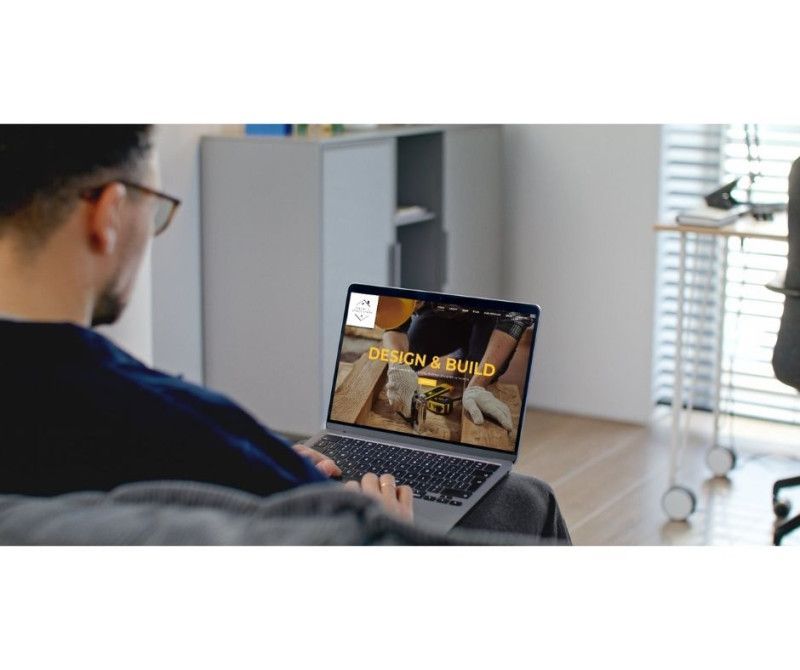
A contractor website is no longer just an online brochure—it’s your best salesperson working 24/7. In 2026, the difference between a website that “exists” and one that generates revenue comes down to conversion strategy.

Key Elements of a High-Converting Contractor Website:

1. Clear value proposition above the fold
Within 3–5 seconds, visitors should understand:

  • What you do
  • Where you serve
  • Why they should trust you

2. Click-to-call and instant quote buttons
Mobile traffic dominates contractor searches. If users can’t contact you instantly, you lose the lead.

3. Project galleries and proof of work
Before-and-after images, job walkthroughs, and real project photos build instant trust.

4. Reviews and social proof
Embed Google reviews and testimonials throughout the site—not just on a separate page.

5. Service area optimization
Each service (roof repair, HVAC install, kitchen remodel, etc.) should have its own SEO-optimized page.

6. Fast load speed and mobile-first design
Google prioritizes mobile usability heavily, especially for local service businesses.

A modern contractor website should function like a lead funnel—not just a digital flyer.
2. Local SEO & Google Business Profile Domination

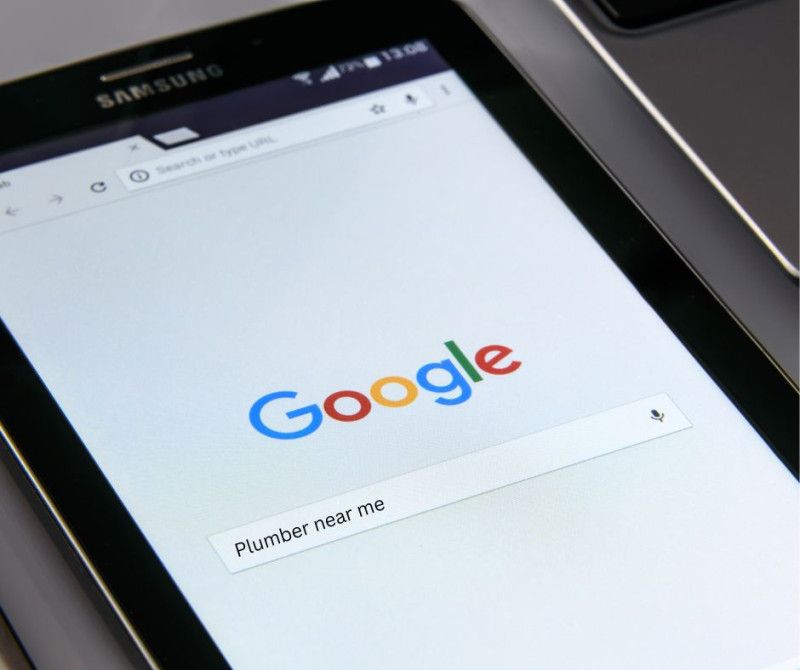
For contractors, local visibility is everything. Most customers search phrases like “roof repair near me” or “plumber in Conroe,” and choose from the top 3 results in Google Maps.

That’s where your Google Business Profile becomes one of your most powerful marketing assets.

Key Local SEO Strategies:

1. Fully optimized Google Business Profile
Your profile should include:

  • Correct service categories
  • High-quality photos of jobs
  • Weekly posts and updates
  • Accurate service areas
  • Detailed service descriptions

(Official platform: (Google Business Profile )

2. Consistent review generation
In 2026, reviews are a major ranking factor. Contractors should actively request reviews after every completed job.

3. Local keyword optimization
Your website should target:

  • “HVAC contractor in [city]”
  • “emergency plumbing near me”
  • “roof replacement [city/state]”

4. Citation consistency
Your business name, address, and phone number (NAP) must be consistent across all directories.

A well-optimized Google Business Profile often generates more leads than a website alone.

3. Social Media That Builds Trust (Not Just Likes)

Social media is no longer optional for contractors—it’s a credibility engine. Customers want to see real work, real people, and real results before hiring.

What Works in 2026:

1. Before-and-after transformations
Nothing performs better than visual proof of work.

2. Short-form video content
Platforms like Instagram Reels, Facebook Reels, and TikTok reward:

  • Job site walkthroughs
  • Quick tips (“3 signs your roof needs repair”)
  • Time-lapse project builds

3. Behind-the-scenes content
Show your crew, your process, and your day-to-day operations. This builds trust faster than polished ads.

4. Educational posts
Position your business as the expert:

  • Maintenance tips
  • Cost-saving advice
  • Seasonal checklists

5. Consistency over perfection
Posting 3–5 times per week consistently beats occasional high-production content.

Social media is not just about visibility—it’s about credibility at scale.

4. CRM Systems: Turning Leads Into Revenue

One of the biggest mistakes contractor businesses make is losing leads after the first contact. In 2026, speed and follow-up systems determine who wins the job.

A CRM (Customer Relationship Management system) solves this by automating and organizing your entire sales pipeline.

What a CRM Should Do for Contractors:

  • Capture leads from website forms, ads, and calls
  • Automatically follow up via SMS and email
  • Assign leads to team members
  • Track estimates and job stages
  • Send reminders and appointment confirmations

Recommended CRM Platforms:

 HubSpot
A powerful all-in-one CRM with marketing automation, email tracking, and pipeline management.

 Salesforce
Enterprise-level CRM ideal for larger contracting companies managing multiple crews and regions.

 GoHighLevel
A favorite among service-based businesses, offering automation, SMS marketing, funnels, and reputation management in one platform.

A popular all-in-one CRM with reporting and dashboards, booking and scheduling, marketing, integrated pricebook and mobile field app.

A strong CRM ensures no lead gets ignored and every opportunity is followed up on consistently.

5. Paid Ads With Precision Targeting

In 2026, paid advertising is still one of the fastest ways for contractors to generate leads—but only when done strategically.

What Works Best:

Google Search Ads

  • High-intent keywords like “emergency plumber near me”
  • Location-based targeting

Local Service Ads (LSAs)

  • Pay-per-lead model
  • Highly visible at the top of Google results

Retargeting Ads

  • Follow website visitors with reminders
  • Keep your brand top-of-mind until they convert

The key is not just running ads—but tracking conversions and optimizing for actual booked jobs.

6. Reputation Marketing: The New Growth Engine

In 2026, reputation is marketing. Customers trust reviews more than ads.

Strategies to Build Reputation:

  • Automate review requests after job completion
  • Respond to every review (positive and negative)
  • Showcase reviews across your website and social media
  • Turn customer testimonials into video content

A strong reputation increases both click-through rates and conversion rates across all channels.


7. Full-System Integration (The Real Secret)

The most successful contractor businesses in 2026 are not relying on one strategy—they are connecting everything into a system:

  • Website captures leads
  • Ads drive traffic
  • Google Business Profile builds local visibility
  • Social media builds trust
  • CRM follows up and closes deals

When all these systems work together, your marketing becomes predictable and scalable.

Contractor marketing in 2026 is no longer about “just being online.” It’s about building a connected digital system that attracts, nurtures, and converts leads consistently.

Businesses that invest in websites that convert, dominate local search, stay active on social media, and implement CRM automation will outperform competitors who still rely solely on referrals.

At Evolve Digital Marketing Solutions , we specialize in building these systems so contractors can focus on what they do best—delivering quality work—while their marketing runs in the background, consistently bringing in new clients.

By Amanda Rhodes August 28, 2026
AI is changing the way people search—and small businesses need to change the way they create content. 
By Amanda Rhodes August 18, 2026
Why Your Marketing May Be Losing Customers Before They Ever Contact You Getting attention online is only the first step. The bigger challenge for today's businesses is turning that attention into trust—and turning trust into sales. Potential customers are constantly evaluating businesses before they make a purchase. They may visit your website, look at your Google Business Profile, read reviews, check your social media, compare your branding, and search for answers to questions about your products or services. And they're making judgments along the way. Does this business look professional? Can I trust them? Do they understand what they're doing? Will they actually deliver what they're promising? Is this company worth my money? You can have a great product or provide an exceptional service and still lose potential customers if your digital presence creates doubt. At Evolve Digital Marketing Solutions , we believe effective marketing isn't simply about getting your business in front of more people. It's about creating a consistent digital experience that builds credibility and gives potential customers a reason to choose you. Here are six mistakes that can quietly cost businesses trust, leads, and sales—and what you can do to correct them. 1. Your Digital Presence Doesn't Match the Quality of Your Business One of the biggest mistakes businesses make is assuming their website, social media, or Google presence doesn't matter as long as they provide a good product or service. Unfortunately, customers don't know how good your business is yet. They're judging you based on what they can see. Your digital presence is often your first impression. If your website looks outdated, your social media hasn't been updated in months, your business information is inconsistent, or your branding looks different from one platform to another, potential customers may begin questioning your credibility. What this can cost you A potential customer might: Leave your website before contacting you Choose a competitor with a more professional online presence Question whether your business is still operating Assume your company isn't established Hesitate to spend money with you Look for additional businesses to compare You may never know how many sales were lost because someone simply didn't feel confident enough to take the next step. How to correct it Start by conducting a digital presence audit . Look at your: Website Google Business Profile Facebook Instagram LinkedIn Online directories Review platforms Business listings Email marketing Digital advertisements Check for consistency in your: Business name Logo Colors Messaging Phone number Website URL Address Services Business descriptions Brand voice Photography Your customers should feel like they're interacting with the same company everywhere they find you. That's digital branding. And consistency creates recognition. Recognition creates familiarity. Familiarity helps create trust. 2. Your Branding Is Inconsistent—and Your Customers Don't Know What You Stand For Digital branding is much more than having a logo. Your brand is the perception people develop about your business based on every interaction they have with you. That includes your website design, social media content, photography, colors, messaging, customer service, reviews, advertisements, and even the way you respond to comments. If your branding changes from platform to platform, your business can appear less established and less trustworthy. For example: Your website may communicate: Professional. Experienced. Premium. But your social media may look: Inconsistent. Promotional. Unorganized. Your Google profile may have outdated information. Your ads may use completely different messaging. Your customers are receiving mixed signals. How to correct it Create clear brand standards for your business. Define: Your brand colors Fonts Logo usage Photography style Tone of voice Messaging Ideal customer Brand personality Core values Unique selling proposition Key services Customer experience Then use those standards across your digital marketing. Your goal isn't to make every platform identical. Your goal is to make every platform recognizably yours. Why this matters for sales Consistent branding makes your business easier to recognize. When someone sees your Instagram post, later sees your Google listing, and then visits your website, they should immediately connect those experiences. That repetition strengthens brand recognition and helps keep your business top-of-mind when the customer is finally ready to buy. 3. You're Using Marketing Techniques That Get Attention—but Don't Build Trust Not all marketing is effective marketing. One common mistake is focusing too heavily on tactics designed to generate immediate attention without considering what happens after you get it. For example: "CALL NOW!" "BUY TODAY!" "BEST PRICES!" "WE'RE #1!" These messages may grab attention, but they don't necessarily answer the questions customers need answered before they purchase. Modern marketing should move a potential customer through a journey. Attention → Interest → Trust → Action Your marketing should answer: Why should I care? Why should I trust you? Why are you different? Why should I choose you instead of your competitor? What happens if I contact you? What can I expect? A better marketing approach Instead of constantly selling, create a mixture of content. For example: Educational content Answer common customer questions. Problem-solving content Show customers how to avoid mistakes. Authority content Demonstrate your knowledge and experience. Social proof Show reviews, testimonials, case studies, and results. Behind-the-scenes content Show the people and processes behind your business. Product or service content Explain what you offer and who it is designed for. Promotional content Give customers a reason to take action. A strong marketing strategy uses all of these—not just advertisements. The 80/20 mindset While there is no universal formula for the perfect content ratio, businesses should avoid making every piece of content a sales pitch. If every interaction asks customers to buy, they'll eventually tune you out. Give them reasons to follow you before you ask them to buy from you. 4. You're Ignoring the Trust Signals Customers Need Before Buying People rarely make purchasing decisions based on one thing. They look for evidence. That's why trust signals are so important. Your potential customer may want to see: Google reviews Testimonials Before-and-after photos Case studies Credentials Experience Professional photography Clear pricing or pricing guidance Frequently asked questions Guarantees or policies A professional website Active social media Clear contact information Real photographs of your business Evidence of your work These elements help reduce uncertainty. Think about it this way: A customer is taking a risk every time they spend money. Your job as a marketer is to reduce that perceived risk. The more questions you answer before the customer contacts you, the easier it becomes for them to move forward. How to correct it Create a trust-building section on your website. Consider including: Why Choose Us Explain what makes your company different. Our Process Show customers what happens after they contact you. Testimonials Feature real customer experiences. Frequently Asked Questions Answer objections before they prevent a sale. Our Experience Explain your background, expertise, certifications, or years in business. Our Work Show real examples. Don't simply tell customers you're good. Show them. 5. Your Marketing Promises More Than Your Business Can Deliver This is one of the most damaging mistakes a business can make. Marketing is designed to create expectations. If your marketing creates expectations that your business can't consistently meet, you haven't created a marketing problem. You've created a trust problem. For example: If you advertise: "Same-day service." But customers routinely wait several days, they're going to remember the broken promise. If you advertise: "Lowest prices guaranteed." But your pricing isn't consistently competitive, customers may question your credibility. If you promise: "We'll respond immediately." But customers don't hear back for two days, your marketing and customer experience don't match. Overpromising can damage more than one sale. It can lead to: Negative reviews Refund requests Customer complaints Lost referrals Poor word-of-mouth Lower customer retention Damaged reputation Reduced trust in future marketing And once trust is damaged, winning that customer back can be much harder than earning their business in the first place. How to correct it Make sure your marketing promises are based on what your business can consistently deliver—not what sounds impressive. Instead of saying: "The fastest service in town." Consider: "We prioritize fast turnaround times while maintaining the quality our customers expect." Instead of: "Guaranteed to get you more customers." Consider: "We build data-driven marketing strategies designed to improve visibility, engagement, and opportunities for growth." The second statements may sound less dramatic. But they're more credible. And credibility sells. Your marketing and operations need to communicate. Before launching a campaign, ask: Can our team consistently deliver what we're advertising? If the answer is no, change the promise—or improve the process before promoting it. Your marketing should sell the experience your business can actually provide. 6. You're Focusing on Vanity Metrics Instead of the Numbers That Drive Sales Likes. Followers. Views. Reach. Impressions. These numbers can be exciting. But they don't necessarily mean your business is making more money. A post receiving 10,000 views isn't automatically successful if it generates zero meaningful inquiries. Likewise, having thousands of followers doesn't guarantee sales. What should you measure? Look beyond surface-level engagement and evaluate metrics such as: Website traffic Organic search traffic Phone calls Form submissions Quote requests Bookings Leads Conversion rates Cost per lead Customer acquisition cost Return on ad spend Local search visibility Google Business Profile interactions Revenue generated from campaigns The goal isn't simply: "More people saw us." The goal is: "More of the right people found us, trusted us, and took action." How to correct it Connect your marketing activity to actual business goals. For example: If you're a contractor, track qualified estimate requests. If you're a bridal business, track consultations and appointments. If you're a service business, track calls and booked jobs. If you're an e-commerce company, track purchases and revenue. Your marketing strategy should be built around the actions that actually move your business forward. The Bigger Problem: These Mistakes Often Work Together The six mistakes above don't exist in isolation. They can create a chain reaction. An outdated website creates doubt. Inconsistent branding weakens recognition. Poor marketing messaging fails to communicate value. A lack of trust signals leaves customers uncertain. Overpromising creates disappointed customers. And focusing on vanity metrics can prevent you from realizing what's actually going wrong. That's why fixing one piece of your marketing without looking at the entire customer journey may not produce the results you expect. Your Digital Marketing Should Tell One Consistent Story Think about your customer's journey. They might first discover you through Google. Then they visit your website. Next, they look at your reviews. Then they check your social media. Finally, they contact you. Every one of those touchpoints should reinforce the same message: This is a legitimate business. They understand my needs. They know what they're doing. Their customers are happy. I understand what to expect. I feel comfortable doing business with them. That's what strategic digital marketing should accomplish. Trust Is the Foundation of Sales You don't build a successful business simply by getting more attention. You build it by creating an experience that gives people a reason to trust you. Your website should support your sales process. Your branding should create recognition. Your content should demonstrate value. Your reviews should reinforce credibility. Your marketing should set realistic expectations. And your customer experience should deliver on the promises your marketing makes. When those pieces work together, marketing becomes more than visibility. It becomes a sales tool. At Evolve Digital Marketing Solutions , we help small businesses identify the gaps between where their digital presence is today and where it needs to be to compete effectively. From website design and SEO to Google Business Profile optimization, digital branding, social media, reputation management, and strategic marketing, our goal is to build marketing systems that support real business growth—not just vanity metrics. Because your customers are already making decisions about your business online. The question is: What are they seeing? Ready to Find Out? If you're unsure whether your website, branding, SEO, Google presence, and marketing strategy are building trust or creating doubt, a digital marketing audit can help identify the opportunities you're missing. Let's build a digital presence that earns attention, builds trust, and creates more opportunities for sales. Contact Evolve Digital Marketing Solutions today for your FREE website audit. Rise. Thrive. Evolve.
By amandarodes August 12, 2026
For years, small business owners have been told that getting found online starts with SEO —and that is still true. Search engine optimization remains an important part of building visibility, driving organic traffic, and helping your business appear when potential customers are searching for your services.
By amandarodes August 4, 2026
For years, business owners have focused on earning 5-star reviews to improve their reputation and rank higher in local search results. While reviews are still incredibly important, there is a new challenge that many business owners don't realize exists.
By amandarodes July 29, 2026
Why Contractors Need SEO More Than Ever
By amandarodes July 23, 2026
If you've recently left a Google review, you may have noticed something new. Google is now asking reviewers a follow-up question:
By amandarodes July 20, 2026
The dust has settled. Is your website ready for what's next?
By amandarodes July 5, 2026
Your website is often the first impression your business makes—and in today’s digital landscape, first impressions are everything. For many small business owners, a website was built years ago and simply “left as is.” The problem? The internet doesn’t stand still. Neither do your competitors.
By amandarodes June 1, 2026
In today’s competitive digital landscape, running Google Ads is no longer just about choosing keywords and setting a budget. Businesses that want to dominate their market are now leveraging Artificial Intelligence (AI) to create smarter campaigns, reduce wasted ad spend, and generate higher-quality leads faster than ever before.
By amandarodes May 5, 2026
AI Is Now Your First Impression