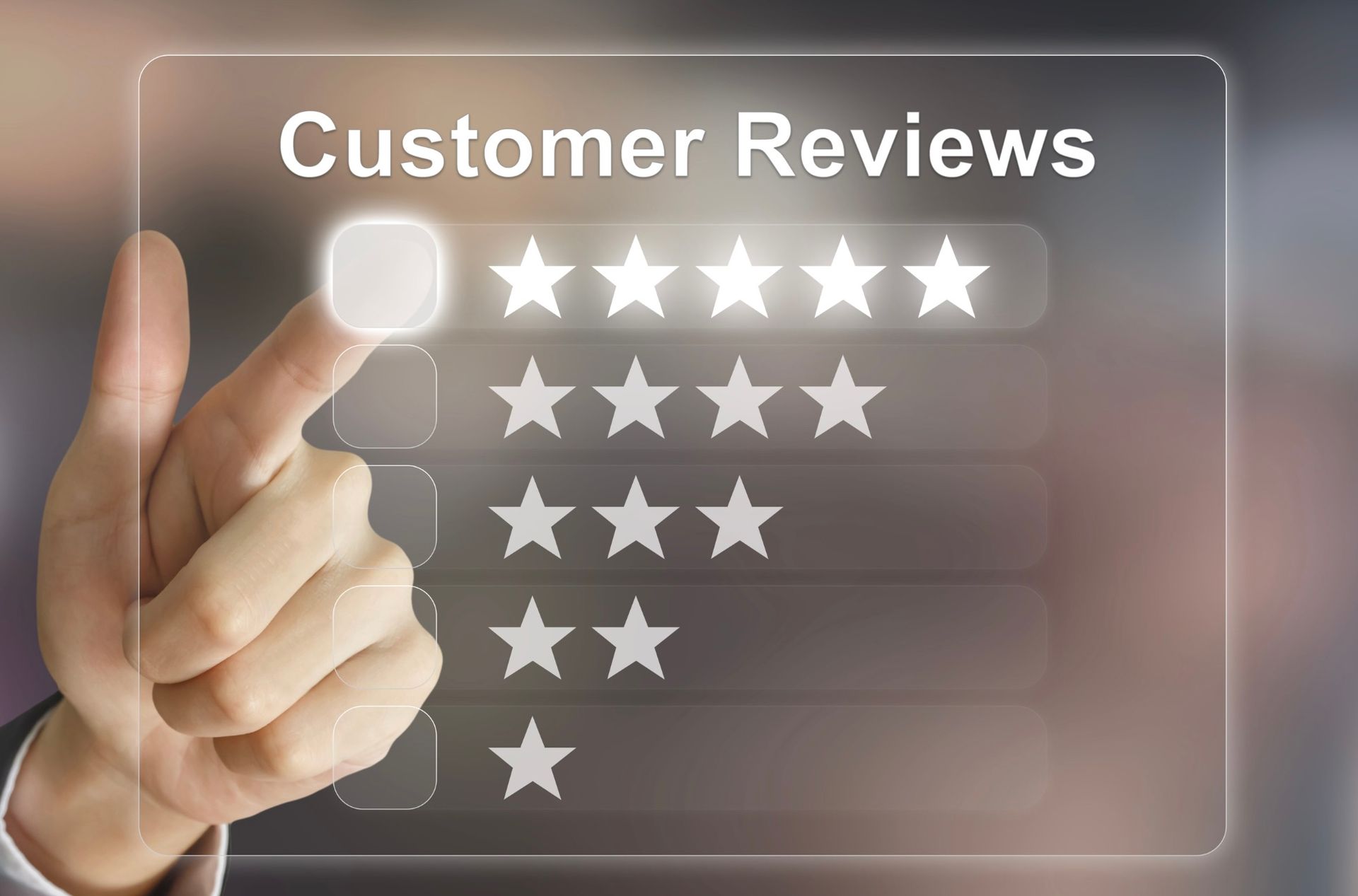
How to Remove a 1-Star Google Review From Your Google Business Profile

Amanda Rhodes • September 11, 2026

A 1-star review can feel frustrating—especially when you have worked hard to build a strong reputation for your business. But before you panic, there are steps you can take.

For small business owners, Google reviews are more than just stars on a screen. They can influence how potential customers view your business before they ever call, visit your website, or walk through your doors.

So, what happens when a 1-star review appears on your Google Business Profile?

The answer may surprise you.


You cannot simply delete a negative review because you disagree with it. However, if the review violates Google's policies, you can report it and request removal.

At Evolve Digital Marketing Solutions, we help small businesses understand how to manage their Google Business Profile, respond to customer feedback, strengthen their online reputation, and build a stronger local presence.

Here's what every small business owner should know.


Can You Remove a 1-Star Google Review?

Sometimes—but not simply because it is a 1-star review.

Google states that businesses can report reviews that violate its content policies, but reviews that are simply negative, critical, or unfavorable are not automatically eligible for removal.

In other words:

Bad review ≠ automatically removable review.

If a customer had a genuine experience with your business and left an honest negative review, Google generally considers that legitimate customer feedback—even if you strongly disagree with what they said.

However, if the review violates Google's policies, you have the option to report it for removal.


What Types of 1-Star Reviews May Be Removed?

A review may be eligible for removal when it violates Google's content policies.

Examples can include:

1. Fake or Spam Reviews

If the person never actually interacted with your business and the review appears to be fabricated, it may qualify as spam or fake content.

This is particularly important for small businesses that suddenly receive suspicious reviews from people they don't recognize.

2. Reviews From Competitors

A competitor should not be using Google's review system to damage your reputation.

If you have evidence that a review was posted by a competitor or someone with a conflicting business interest, document the situation and report it.

3. Reviews That Are Off-Topic

A review should be related to the customer's experience with the business.

If someone uses your Business Profile to complain about an unrelated personal, political, social, or community issue, the content may potentially violate Google's policies.

4. Profanity, Harassment or Offensive Content

Reviews containing prohibited offensive content, harassment, threats, or other policy violations may be eligible for removal.

5. Conflicts of Interest

Google prohibits certain reviews where there is a conflict of interest, such as content intended to manipulate a business's reputation.

6. Extortion or Review-Bombing

This is one situation where business owners should act quickly.

Google specifically addresses review extortion scams in which someone posts—or threatens to post—multiple negative reviews and then demands money, goods, services, or another benefit in exchange for removing them.

Do not pay the person or agree to their demands.

Google recommends collecting evidence, including screenshots, communications, review links, dates, and information about the person making the demand, and reporting the situation through its designated process.


How to Report a 1-Star Review to Google

If you believe a review violates Google's policies, you can report it directly.

Step 1: Find Your Google Business Profile

Search for your business on Google or open your profile through Google Maps.

Step 2: Open Your Reviews

Select Read Reviews and locate the review you believe violates Google's policies.

Step 3: Report the Review

Select the option to report the review and choose the reason that best matches the policy violation.

Google will evaluate the report.

Google notes that review evaluations typically take several days. You can also check the status of your report through its Reviews Management Tool.

Step 4: Appeal When Eligible


If Google determines that the review does not violate its policies, you may have a one-time appeal option for eligible reviews.

Google's current Reviews Management Tool allows businesses to check previously reported reviews and submit an appeal when available.


What If Google Doesn't Remove the Review?

This is where many business owners make a mistake.

They see a 1-star review and immediately want it gone.

But if the review is legitimate, the better strategy may not be removal.

It may be reputation management.

Instead of ignoring the review, respond professionally and show potential customers that your business listens.

Google itself recommends responding to negative reviews, protecting customer privacy, avoiding personal attacks, acknowledging concerns when appropriate, and taking complicated conversations offline.

A thoughtful response can actually work in your favor.

Remember, future customers aren't only reading the 1-star review.

They're also reading how you responded to it.


Don't Try to "Bury" a Bad Review With Fake Reviews

Another mistake we see businesses make is trying to fight negative reviews with fake positive reviews.

Don't do it.

Google requires reviews to reflect genuine customer experiences and prohibits incentives in exchange for reviews or for changing or removing negative reviews.

Instead, focus on consistently providing excellent service and encouraging real customers to share their honest experiences.

Over time, a strong collection of authentic reviews can provide a much more accurate picture of your business.


The Bigger Picture: Your Google Business Profile Matters

Your Google Business Profile is much more than a place where customers leave reviews.

It is one of the first places potential customers may encounter your business when searching for your products or services locally.

Your profile can help communicate:

  • Who you are
  • What you offer
  • Where you are located
  • What customers think about your business
  • How you respond to feedback
  • Why someone should choose you over a competitor


That's why managing your profile should be part of your overall local SEO and digital marketing strategy.

At Evolve Digital Marketing Solutions, we don't believe in a one-size-fits-all approach.

We take the time to understand your business, your customers, your competition, and your goals. From Google Business Profile optimization and local SEO to review management and ongoing digital marketing strategies, our goal is to help small businesses become more visible, credible, and competitive online.


Your Reputation Is Part of Your Marketing

A single 1-star review doesn't have to define your business.

The key is knowing the difference between a review that can legitimately be reported and one that needs to be professionally managed.

If the review violates Google's policies, report it.

If it's legitimate feedback, address it professionally.

And if your profile needs ongoing attention, don't wait until your reputation becomes a problem.

At Evolve Digital Marketing Solutions, we help small business owners navigate the digital landscape with strategies designed around their individual business—not shortcuts or guesswork.

Because your online presence should reflect the quality of the business you've worked so hard to build.


Ready to Take a Closer Look at Your Google Business Profile?


If you're a small business owner and you're unsure whether a negative review may violate Google's policies—or your Google Business Profile simply isn't performing the way you want it to—Evolve Digital Marketing Solutions can help.

We can evaluate your online presence, identify opportunities for improvement, and help create a strategy for stronger Google visibility, local SEO, reputation management, and long-term growth.

Evolve your online presence. Strengthen your reputation. Grow your business.

By Amanda Rhodes August 28, 2026
AI is changing the way people search—and small businesses need to change the way they create content. 
By Amanda Rhodes August 18, 2026
Why Your Marketing May Be Losing Customers Before They Ever Contact You Getting attention online is only the first step. The bigger challenge for today's businesses is turning that attention into trust—and turning trust into sales. Potential customers are constantly evaluating businesses before they make a purchase. They may visit your website, look at your Google Business Profile, read reviews, check your social media, compare your branding, and search for answers to questions about your products or services. And they're making judgments along the way. Does this business look professional? Can I trust them? Do they understand what they're doing? Will they actually deliver what they're promising? Is this company worth my money? You can have a great product or provide an exceptional service and still lose potential customers if your digital presence creates doubt. At Evolve Digital Marketing Solutions , we believe effective marketing isn't simply about getting your business in front of more people. It's about creating a consistent digital experience that builds credibility and gives potential customers a reason to choose you. Here are six mistakes that can quietly cost businesses trust, leads, and sales—and what you can do to correct them. 1. Your Digital Presence Doesn't Match the Quality of Your Business One of the biggest mistakes businesses make is assuming their website, social media, or Google presence doesn't matter as long as they provide a good product or service. Unfortunately, customers don't know how good your business is yet. They're judging you based on what they can see. Your digital presence is often your first impression. If your website looks outdated, your social media hasn't been updated in months, your business information is inconsistent, or your branding looks different from one platform to another, potential customers may begin questioning your credibility. What this can cost you A potential customer might: Leave your website before contacting you Choose a competitor with a more professional online presence Question whether your business is still operating Assume your company isn't established Hesitate to spend money with you Look for additional businesses to compare You may never know how many sales were lost because someone simply didn't feel confident enough to take the next step. How to correct it Start by conducting a digital presence audit . Look at your: Website Google Business Profile Facebook Instagram LinkedIn Online directories Review platforms Business listings Email marketing Digital advertisements Check for consistency in your: Business name Logo Colors Messaging Phone number Website URL Address Services Business descriptions Brand voice Photography Your customers should feel like they're interacting with the same company everywhere they find you. That's digital branding. And consistency creates recognition. Recognition creates familiarity. Familiarity helps create trust. 2. Your Branding Is Inconsistent—and Your Customers Don't Know What You Stand For Digital branding is much more than having a logo. Your brand is the perception people develop about your business based on every interaction they have with you. That includes your website design, social media content, photography, colors, messaging, customer service, reviews, advertisements, and even the way you respond to comments. If your branding changes from platform to platform, your business can appear less established and less trustworthy. For example: Your website may communicate: Professional. Experienced. Premium. But your social media may look: Inconsistent. Promotional. Unorganized. Your Google profile may have outdated information. Your ads may use completely different messaging. Your customers are receiving mixed signals. How to correct it Create clear brand standards for your business. Define: Your brand colors Fonts Logo usage Photography style Tone of voice Messaging Ideal customer Brand personality Core values Unique selling proposition Key services Customer experience Then use those standards across your digital marketing. Your goal isn't to make every platform identical. Your goal is to make every platform recognizably yours. Why this matters for sales Consistent branding makes your business easier to recognize. When someone sees your Instagram post, later sees your Google listing, and then visits your website, they should immediately connect those experiences. That repetition strengthens brand recognition and helps keep your business top-of-mind when the customer is finally ready to buy. 3. You're Using Marketing Techniques That Get Attention—but Don't Build Trust Not all marketing is effective marketing. One common mistake is focusing too heavily on tactics designed to generate immediate attention without considering what happens after you get it. For example: "CALL NOW!" "BUY TODAY!" "BEST PRICES!" "WE'RE #1!" These messages may grab attention, but they don't necessarily answer the questions customers need answered before they purchase. Modern marketing should move a potential customer through a journey. Attention → Interest → Trust → Action Your marketing should answer: Why should I care? Why should I trust you? Why are you different? Why should I choose you instead of your competitor? What happens if I contact you? What can I expect? A better marketing approach Instead of constantly selling, create a mixture of content. For example: Educational content Answer common customer questions. Problem-solving content Show customers how to avoid mistakes. Authority content Demonstrate your knowledge and experience. Social proof Show reviews, testimonials, case studies, and results. Behind-the-scenes content Show the people and processes behind your business. Product or service content Explain what you offer and who it is designed for. Promotional content Give customers a reason to take action. A strong marketing strategy uses all of these—not just advertisements. The 80/20 mindset While there is no universal formula for the perfect content ratio, businesses should avoid making every piece of content a sales pitch. If every interaction asks customers to buy, they'll eventually tune you out. Give them reasons to follow you before you ask them to buy from you. 4. You're Ignoring the Trust Signals Customers Need Before Buying People rarely make purchasing decisions based on one thing. They look for evidence. That's why trust signals are so important. Your potential customer may want to see: Google reviews Testimonials Before-and-after photos Case studies Credentials Experience Professional photography Clear pricing or pricing guidance Frequently asked questions Guarantees or policies A professional website Active social media Clear contact information Real photographs of your business Evidence of your work These elements help reduce uncertainty. Think about it this way: A customer is taking a risk every time they spend money. Your job as a marketer is to reduce that perceived risk. The more questions you answer before the customer contacts you, the easier it becomes for them to move forward. How to correct it Create a trust-building section on your website. Consider including: Why Choose Us Explain what makes your company different. Our Process Show customers what happens after they contact you. Testimonials Feature real customer experiences. Frequently Asked Questions Answer objections before they prevent a sale. Our Experience Explain your background, expertise, certifications, or years in business. Our Work Show real examples. Don't simply tell customers you're good. Show them. 5. Your Marketing Promises More Than Your Business Can Deliver This is one of the most damaging mistakes a business can make. Marketing is designed to create expectations. If your marketing creates expectations that your business can't consistently meet, you haven't created a marketing problem. You've created a trust problem. For example: If you advertise: "Same-day service." But customers routinely wait several days, they're going to remember the broken promise. If you advertise: "Lowest prices guaranteed." But your pricing isn't consistently competitive, customers may question your credibility. If you promise: "We'll respond immediately." But customers don't hear back for two days, your marketing and customer experience don't match. Overpromising can damage more than one sale. It can lead to: Negative reviews Refund requests Customer complaints Lost referrals Poor word-of-mouth Lower customer retention Damaged reputation Reduced trust in future marketing And once trust is damaged, winning that customer back can be much harder than earning their business in the first place. How to correct it Make sure your marketing promises are based on what your business can consistently deliver—not what sounds impressive. Instead of saying: "The fastest service in town." Consider: "We prioritize fast turnaround times while maintaining the quality our customers expect." Instead of: "Guaranteed to get you more customers." Consider: "We build data-driven marketing strategies designed to improve visibility, engagement, and opportunities for growth." The second statements may sound less dramatic. But they're more credible. And credibility sells. Your marketing and operations need to communicate. Before launching a campaign, ask: Can our team consistently deliver what we're advertising? If the answer is no, change the promise—or improve the process before promoting it. Your marketing should sell the experience your business can actually provide. 6. You're Focusing on Vanity Metrics Instead of the Numbers That Drive Sales Likes. Followers. Views. Reach. Impressions. These numbers can be exciting. But they don't necessarily mean your business is making more money. A post receiving 10,000 views isn't automatically successful if it generates zero meaningful inquiries. Likewise, having thousands of followers doesn't guarantee sales. What should you measure? Look beyond surface-level engagement and evaluate metrics such as: Website traffic Organic search traffic Phone calls Form submissions Quote requests Bookings Leads Conversion rates Cost per lead Customer acquisition cost Return on ad spend Local search visibility Google Business Profile interactions Revenue generated from campaigns The goal isn't simply: "More people saw us." The goal is: "More of the right people found us, trusted us, and took action." How to correct it Connect your marketing activity to actual business goals. For example: If you're a contractor, track qualified estimate requests. If you're a bridal business, track consultations and appointments. If you're a service business, track calls and booked jobs. If you're an e-commerce company, track purchases and revenue. Your marketing strategy should be built around the actions that actually move your business forward. The Bigger Problem: These Mistakes Often Work Together The six mistakes above don't exist in isolation. They can create a chain reaction. An outdated website creates doubt. Inconsistent branding weakens recognition. Poor marketing messaging fails to communicate value. A lack of trust signals leaves customers uncertain. Overpromising creates disappointed customers. And focusing on vanity metrics can prevent you from realizing what's actually going wrong. That's why fixing one piece of your marketing without looking at the entire customer journey may not produce the results you expect. Your Digital Marketing Should Tell One Consistent Story Think about your customer's journey. They might first discover you through Google. Then they visit your website. Next, they look at your reviews. Then they check your social media. Finally, they contact you. Every one of those touchpoints should reinforce the same message: This is a legitimate business. They understand my needs. They know what they're doing. Their customers are happy. I understand what to expect. I feel comfortable doing business with them. That's what strategic digital marketing should accomplish. Trust Is the Foundation of Sales You don't build a successful business simply by getting more attention. You build it by creating an experience that gives people a reason to trust you. Your website should support your sales process. Your branding should create recognition. Your content should demonstrate value. Your reviews should reinforce credibility. Your marketing should set realistic expectations. And your customer experience should deliver on the promises your marketing makes. When those pieces work together, marketing becomes more than visibility. It becomes a sales tool. At Evolve Digital Marketing Solutions , we help small businesses identify the gaps between where their digital presence is today and where it needs to be to compete effectively. From website design and SEO to Google Business Profile optimization, digital branding, social media, reputation management, and strategic marketing, our goal is to build marketing systems that support real business growth—not just vanity metrics. Because your customers are already making decisions about your business online. The question is: What are they seeing? Ready to Find Out? If you're unsure whether your website, branding, SEO, Google presence, and marketing strategy are building trust or creating doubt, a digital marketing audit can help identify the opportunities you're missing. Let's build a digital presence that earns attention, builds trust, and creates more opportunities for sales. Contact Evolve Digital Marketing Solutions today for your FREE website audit. Rise. Thrive. Evolve.
By amandarodes August 12, 2026
For years, small business owners have been told that getting found online starts with SEO —and that is still true. Search engine optimization remains an important part of building visibility, driving organic traffic, and helping your business appear when potential customers are searching for your services.
By amandarodes August 4, 2026
For years, business owners have focused on earning 5-star reviews to improve their reputation and rank higher in local search results. While reviews are still incredibly important, there is a new challenge that many business owners don't realize exists.
By amandarodes July 29, 2026
Why Contractors Need SEO More Than Ever
By amandarodes July 23, 2026
If you've recently left a Google review, you may have noticed something new. Google is now asking reviewers a follow-up question:
By amandarodes July 20, 2026
The dust has settled. Is your website ready for what's next?
By amandarodes July 5, 2026
Your website is often the first impression your business makes—and in today’s digital landscape, first impressions are everything. For many small business owners, a website was built years ago and simply “left as is.” The problem? The internet doesn’t stand still. Neither do your competitors.
By amandarodes June 1, 2026
In today’s competitive digital landscape, running Google Ads is no longer just about choosing keywords and setting a budget. Businesses that want to dominate their market are now leveraging Artificial Intelligence (AI) to create smarter campaigns, reduce wasted ad spend, and generate higher-quality leads faster than ever before.
By amandarodes May 18, 2026
The contracting industry in 2026 is more competitive—and more digital—than ever. Whether you’re in roofing, HVAC, remodeling, plumbing, or general construction, the way customers find and choose contractors has fundamentally changed. Most decisions now start online, often long before a phone call is made.